Bicycle Culture in London
The bicycle culture in London has evolved significantly over the years, transitioning from a Victorian pastime to a modern mode of transportation embraced by many. Historically, cycling became increasingly popular in the late 19th century, serving both as a means of leisure and an efficient way to navigate the sprawling city. Over time, cycling faced various challenges, including the dominance of motor vehicles, which led to concerns about safety and accessibility. However, this trend has shifted in recent years, as more Londoners recognize the advantages of cycling as an eco-friendly and efficient option for commuting.

Today, bicycling in London has gained momentum as a viable alternative to cars and public transportation. One of the key benefits of cycling in the city is its potential to reduce traffic congestion. With the continuously increasing population and the pressures on the transport system, bicycles offer a practical solution to navigate the often bustling streets without contributing to the traffic pile-ups that frustrate many commuters. Moreover, cycling significantly lessens the environmental impact associated with traditional vehicles, which emit harmful pollutants and contribute to climate change. As a carbon-neutral form of transport, bicycles align with London’s commitment to improving air quality and reducing its carbon footprint.
In addition to environmental benefits, cycling promotes numerous health advantages. Regular cycling can lead to improved physical fitness, reduced stress levels, and enhanced mental wellbeing. The act of cycling not only provides cardiovascular exercise but also creates a sense of community among cyclists, fostering connections among those who share similar interests and values.
Several cycling communities and advocacy groups in London actively support and promote biking initiatives. These organizations work towards improving cycling infrastructure, increasing awareness about road safety, and encouraging policies that favor cyclists. Collectively, they contribute to a vibrant bicycle culture, making cycling an appealing and growing choice for transportation within the city.
Types of City Bikes Available
London offers a diverse selection of city bikes that cater to various riding preferences and urban commuting needs. Understanding the types of bikes available can enhance the riding experience, ensuring that individuals find the perfect match for their lifestyles. One popular option is the hybrid bike, which combines features of road and mountain bikes. Hybrid bikes are ideal for city riding, offering a comfortable upright riding position and versatility for navigating both smooth pavements and rough terrain.
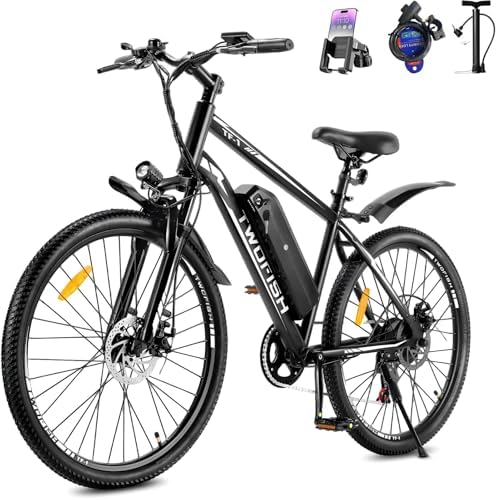
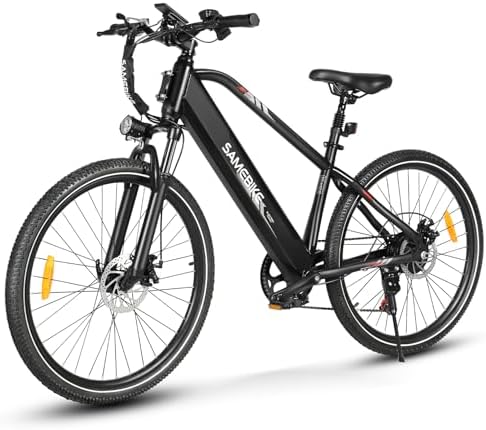
Another option gaining popularity in London is the electric bike. Electric bikes, or e-bikes, provide an extra boost through their electric motors, making them ideal for longer distances or hilly areas. With their ease of use and ability to reduce the effort required while biking, e-bikes have become a favored choice for many commuters looking to integrate biking into their daily routines without excessive fatigue.
Folding bikes also have a significant presence in London, particularly among commuters who need to combine biking with public transport. These bikes are designed for compactness, allowing the user to easily fold and carry them on trains or buses. Their lightweight construction and smaller frames make them convenient for urban riders seeking portability.
Lastly, cargo bikes are growing in popularity, especially for families and local businesses. Cargo bikes feature larger frames and storage compartments that can accommodate groceries, children, or deliveries. This bike style supports multifunctional use, making it an excellent alternative to traditional vehicles for short trips around the city.
Londoners can access these various types of city bikes through local bike-sharing schemes, which make renting easy and efficient. Additionally, numerous bike shops throughout the city offer a wide range of these bikes for purchase, providing riders with the opportunity to explore options before making a commitment.
Where to Rent or Buy Bikes in London
When it comes to finding the perfect bike in London, selecting the right rental or purchasing option is crucial. The city offers a variety of well-established bike rental schemes and specialty bike shops to cater to all cycling enthusiasts, whether they’re residents or visitors. One of the most recognized schemes is the Santander Cycles, popularly known as the “Boris Bikes.” These bikes can be found at docking stations throughout the city, providing an affordable and convenient way to explore London. The pricing structure is straightforward; users can choose from pay-as-you-go options or opt for 24-hour passes, making it economical for short-term cyclists.
In addition to Santander Cycles, there are numerous local bike rental services available in London. Some of these companies offer a more extensive fleet, allowing for hour-long rentals, full-day hires, or even long-term options. Factors such as pricing, duration of the rental, and required documentation—such as photo identification—should be carefully considered when selecting a rental service to ensure a hassle-free experience.
For those looking to purchase a bike, London hosts a plethora of bike shops catering to various preferences and budgets. Well-known establishments such as Evans Cycles and Wiggle offer a wide range of bicycles, from road bikes to hybrids and mountain bikes. Specialty shops, like Cycle Surgery, also provide expert advice, ensuring buyers choose the right bicycle for their needs. Furthermore, second-hand bike stores and online marketplaces like eBay or Gumtree present excellent opportunities to find quality bikes at more economical prices.
In conclusion, whether you choose to rent a bike for a leisurely ride or purchase one for regular commuting, London provides an array of options to accommodate your cycling needs.
Tips for Safe Cycling in London
When navigating the bustling streets of London on a bike, safety should always be a top priority. Cyclists must familiarize themselves with traffic rules specific to the city, including understanding road signs and lane markings. London encourages safe cycling through dedicated bike lanes, and it is crucial to utilize these paths whenever available to maintain a safe distance from motor vehicles. Awareness of one’s surroundings is invaluable; this means staying vigilant and scanning for pedestrians, cars, and other cyclists.
Wearing appropriate safety gear is another essential aspect of safe cycling. Helmets, which are recommended but not legally required for adults, can significantly reduce the risk of serious head injuries. In addition to helmets, wearing visible clothing can enhance safety—particularly in low-light conditions. Reflective elements on garments can make cyclists more noticeable to other road users, thus reducing the likelihood of accidents.
Common hazards in the city include potholes, slick surfaces, and parked vehicles that may suddenly open their doors. Cyclists should regularly check their bikes for proper maintenance to avoid mechanical failures that could lead to accidents. It’s advisable to plan your route beforehand using cycling maps or apps specifically designed for navigating urban areas. These resources can highlight safer paths, including quieter roads and dedicated cycling routes, which enhance the overall cycling experience.
Being a courteous cyclist is essential, especially in a busy city like London. This includes signaling turns, yielding to pedestrians, and maintaining a safe distance from other road users. Making eye contact with drivers at intersections can also help in ensuring that you are seen. By following these guidelines, cyclists can significantly increase their safety while enjoying the vibrant streets of London.