Understanding E-Bikes: A Brief Overview
E-bikes, or electric bicycles, represent a significant advancement in personal transportation, blending traditional cycling with modern technology to enhance the riding experience. At the core of an e-bike lies an electric motor, which provides assistance to the rider, allowing for increased speeds and reduced physical exertion. This assistance is particularly beneficial when navigating hilly terrains or covering longer distances, making e-bikes an attractive option for commuters and leisure riders alike.

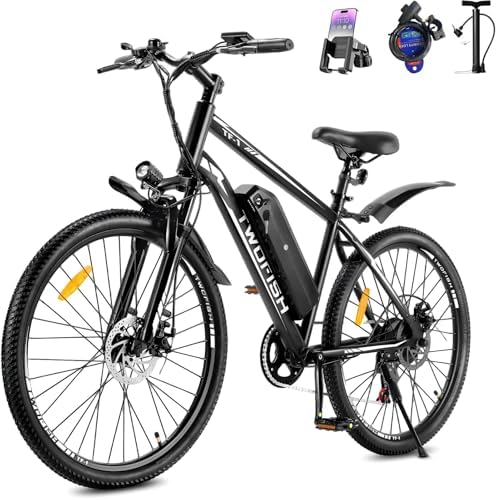
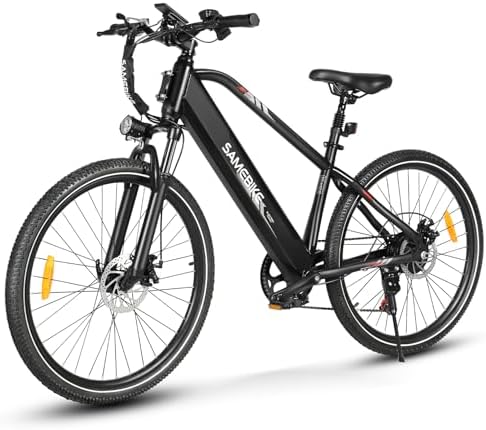
Traditionally, bicycles rely solely on human power, whereas e-bikes incorporate various components that elevate their utility. Common components of an e-bike include a battery, motor, and controller. The battery powers the motor, which can typically be categorized into three main types: hub motors, mid-drive motors, and friction drive motors. Each type offers unique benefits and is suited for different riding styles and terrains. Additionally, e-bikes cater to various rider preferences, with styles ranging from city bikes to mountain bikes, providing versatility and catering to diverse needs.
The advantages of e-bikes extend beyond mere convenience. They promote a healthier lifestyle by encouraging physical activity while reducing environmental impact compared to traditional vehicles. Furthermore, many riders find e-bikes help them integrate cycling into their daily routines more seamlessly, enhancing their overall engagement with outdoor activities.
It is crucial to note that legal classifications of e-bikes vary across jurisdictions. Many regions categorize e-bikes into classes based on their speed and motor capabilities, which affects regulations concerning usage on bike paths and roadways. Understanding these laws is essential for safe riding, as it ensures compliance and contributes to the responsible use of e-bikes. By grasping the components, types, and functionalities of e-bikes, riders can make informed decisions that enhance their experience and safety on the road.
Essential Safety Gear for E-Bike Riders
The increasing popularity of e-bikes as an alternative mode of transportation necessitates a focus on safety measures to safeguard riders against potential hazards. One of the foremost components of e-bike safety is the use of appropriate safety gear. Wearing a helmet is crucial, as it remains one of the most effective ways to protect the head from injury in the event of an accident. Helmets designed specifically for e-bike riding offer enhanced features such as improved ventilation, integrated lights, and better fit, all of which contribute to rider safety.
In addition to helmets, wearing reflective clothing significantly enhances visibility on the road. Reflective jackets, vests, and accessories ensure that e-bike riders are conspicuous to motorists, especially during low-light conditions such as early morning or dusk. This increase in visibility can drastically reduce the likelihood of collisions, further underscoring the importance of appropriate attire. Riders should consider investing in gear made from high-visibility materials that are specifically designed to catch the attention of other road users.
Another essential aspect of safety gear includes protective padding such as knee and elbow pads. These pads are particularly beneficial in mitigating injuries during falls, which can occur regardless of experience level. In particular, knee pads provide critical support during impact, while elbow pads offer similar protection for joint areas prone to injury. Additionally, gloves can protect the hands from abrasions and provide a better grip on e-bike handlebars, thus enhancing rider control.
Ultimately, utilizing personal protective equipment can significantly reduce injury risks associated with e-bike riding. By prioritizing safety gear and visibility, e-bike riders can help ensure their own safety while sharing the road with other users.
Riding Techniques and Best Practices for Safety
When riding an e-bike, adhering to safe riding techniques is essential for both the rider’s safety and the well-being of others on the road. First and foremost, it’s crucial to understand and respect traffic rules specifically tailored for e-bike users. Many localities classify e-bikes differently than conventional bicycles, impacting where and how they can operate. Stay informed about the regulations governing your riding area to ensure compliance and enhance safety.
Sharing the road with other vehicles and cyclists involves several considerations. Always signal your intentions clearly, whether you are turning or stopping. Make eye contact with drivers when possible, as this can increase visibility and prevent accidents. Additionally, riding defensively is advisable; be alert to cars, pedestrians, and fellow cyclists, and be prepared to react appropriately to unforeseen circumstances.
Navigating diverse terrains can also pose challenges for e-bike riders. Adjusting your speed and riding style according to the surface—whether it be gravel, pavement, or downhill slopes—is paramount. E-bikes are equipped with distinct features that help facilitate easier handling on varying terrains; understanding how to utilize these effectively can significantly enhance your ride quality.
Maintaining a safe speed is another critical aspect of e-bike safety. While e-bikes can reach higher velocities, it’s often safer to moderate your speed, especially in busy urban settings or crowded paths. This practice not only reduces the risk of accidents but also allows for better reaction times should a sudden obstacle appear. New and experienced riders alike should always remain cognizant of their surroundings to foster a safer riding environment.
Maintenance and Care: Keeping Your E-Bike Safe
Regular maintenance of your e-bike is crucial for ensuring its safe and efficient operation. To begin, it is important to conduct routine inspections at least once a month. This includes checking the overall frame and handlebars for any signs of damage or wear, ensuring that all components are securely fastened. Pay special attention to the brakes, as they are vital for rider safety. Inspecting brake pads for wear and testing the brakes regularly can help prevent accidents due to brake failure.
Battery care is another critical aspect of e-bike maintenance. Since the battery often controls the e-bike’s performance, it is essential to follow the manufacturer’s guidelines on charging and storage. Avoid overcharging the battery, as this can reduce its lifespan. Store the battery in a cool, dry place when not in use, and ensure that contacts are clean to promote optimal performance.
Maintaining proper tire pressure is equally important for the safety of the rider. Regularly check tire inflation levels, as under-inflated tires can lead to decreased handling and increased risk of flats. Additionally, inspect the tires for signs of wear or foreign objects that may cause damage. It is also advisable to rotate the tires periodically to promote even wear.
Braking system checks should not be overlooked, as they are crucial for coming to a safe stop. Ensure that both the front and rear brakes are functioning properly and that the brake cables or hydraulic lines are intact. If you identify any issues, seek professional assistance to address them promptly.
Lastly, consider scheduling professional servicing at least once a year. A qualified technician can spot potential mechanical issues that may go unnoticed during regular checks. By being diligent about these maintenance tasks, you can greatly enhance the safety and performance of your e-bike, creating a more secure riding experience.